
After two years of research and work together with youth, we are happy to announce the release of our new publication:
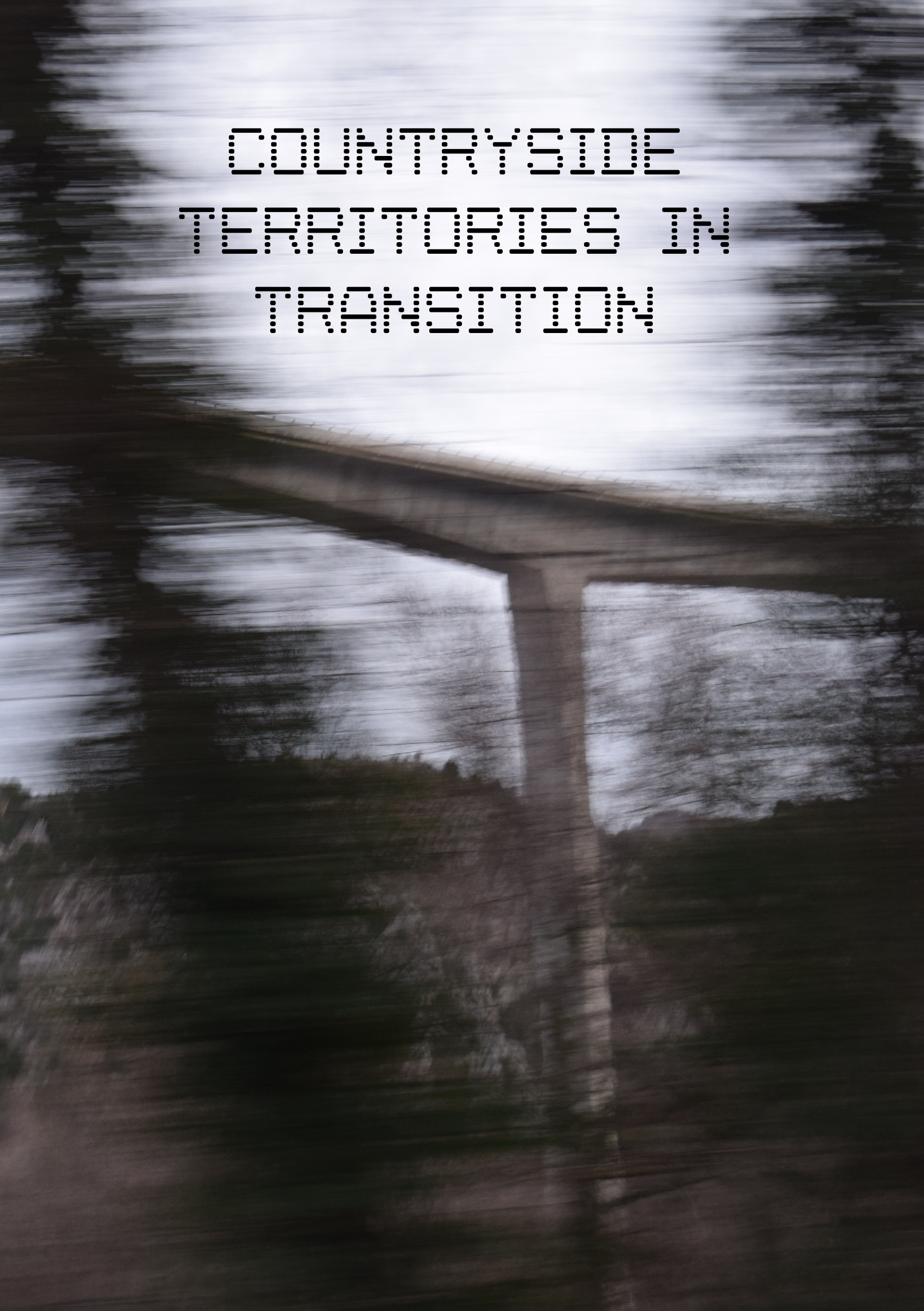
Countryside Territories in Transition explores the changing realities of rural landscapes in Europe and the experiences of young people within them. This publication brings other narratives to the table beyond the current discourse on population decline and out-migration in rural areas, bringing together perspectives from the fields of architecture, urban planning, the social sciences and civil society.
Through twelve case studies organised around three themes: Rural Rhythms, Adaptation and Appropriation, and Pressure and Contestation; the publication looks at mobility, belonging, spatial transformation, community initiatives and the negotiation of public space.
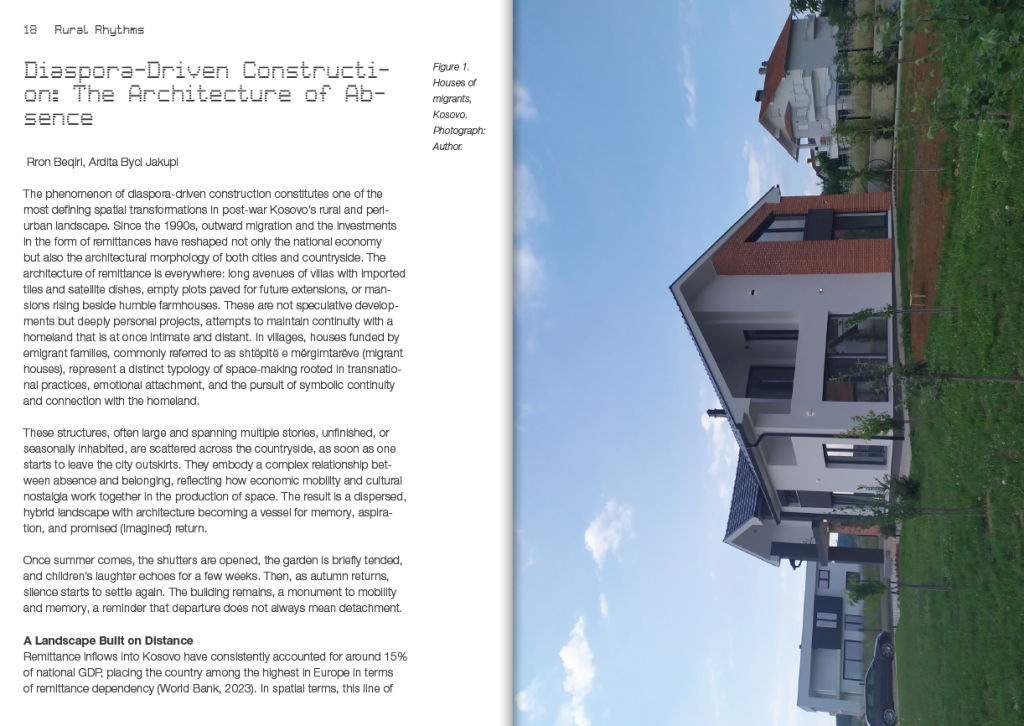
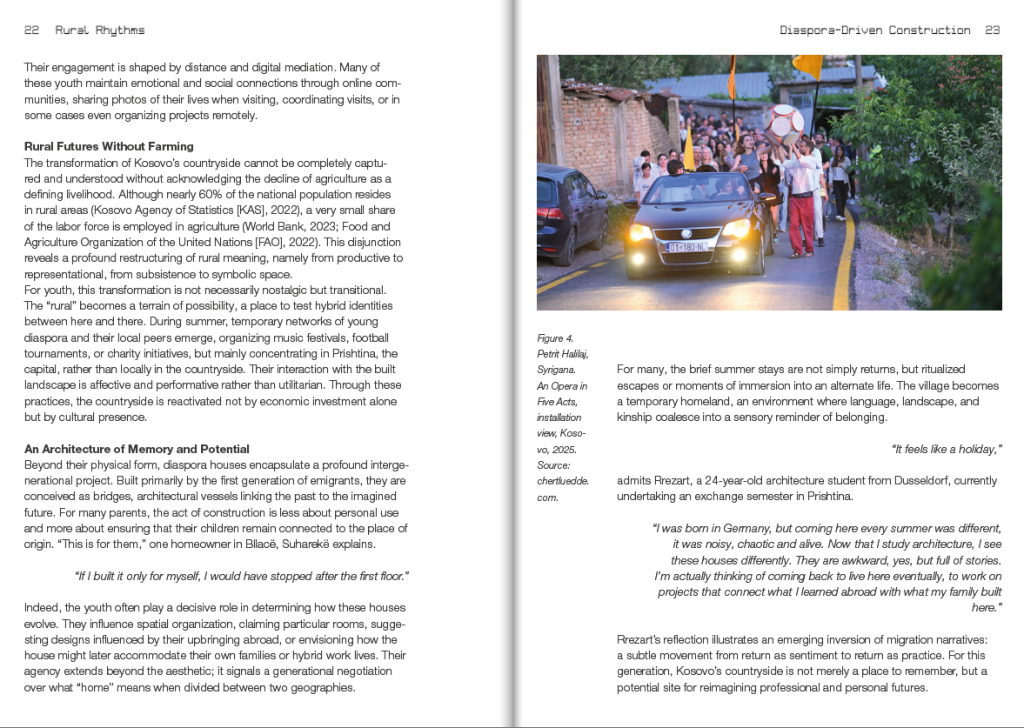
In the first section, “Rural Rhythms”, mobility is considered beyond the perspective of outmigration. Young people who return every summer to their parents’ homeland in Kosovo, or a festival that fills an almost abandoned village with people again for a few days each year: these examples show how rural places are shaped by seasonal and temporary presence. The focus here is not on simply leaving or staying, but rather more on different rhythms of presence and absence.
In the second section, the articles describe how existing structures and spaces in rural areas are being adapted and transformed. For example, in recent years, the number of shopping options has declined in many Austrian rural areas. The article “From Farm Stand to Vending Machine” illustrates the extent to which other forms can fill this gap. Other articles show how former community buildings are being repurposed or how the extensive defensive Albanian infrastructure of bunkers is being appropriated and reused.
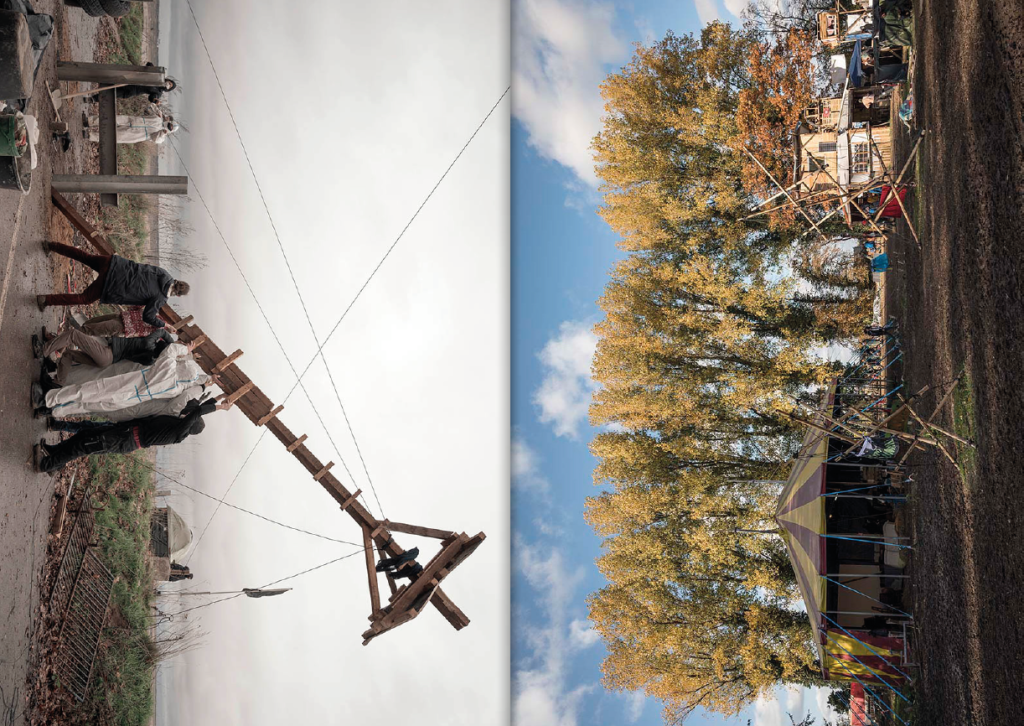
In the final section, the case studies examine how economic, environmental, and social changes are putting pressure on rural areas. This creates tensions over access to resources and spaces, as seen, for example in Bansko, where public spaces are increasingly being designed for digital nomads rather than for local youth. Or, as in the case of Lützerath, where large-scale energy production leads to radical changes in the landscape and, as a result, to tensions between different interest groups.
The publication was developed within the SPACE – Youth Initiatives for Public Spaces project, co-funded by the European Union through the Erasmus+ programme.
Find out more about the project and download the publication for free via the link below.