Fair Mobility Presented at the UERA Conference 2026: Advancing Socio-Spatial Justice in Urban Transformation
More on the news
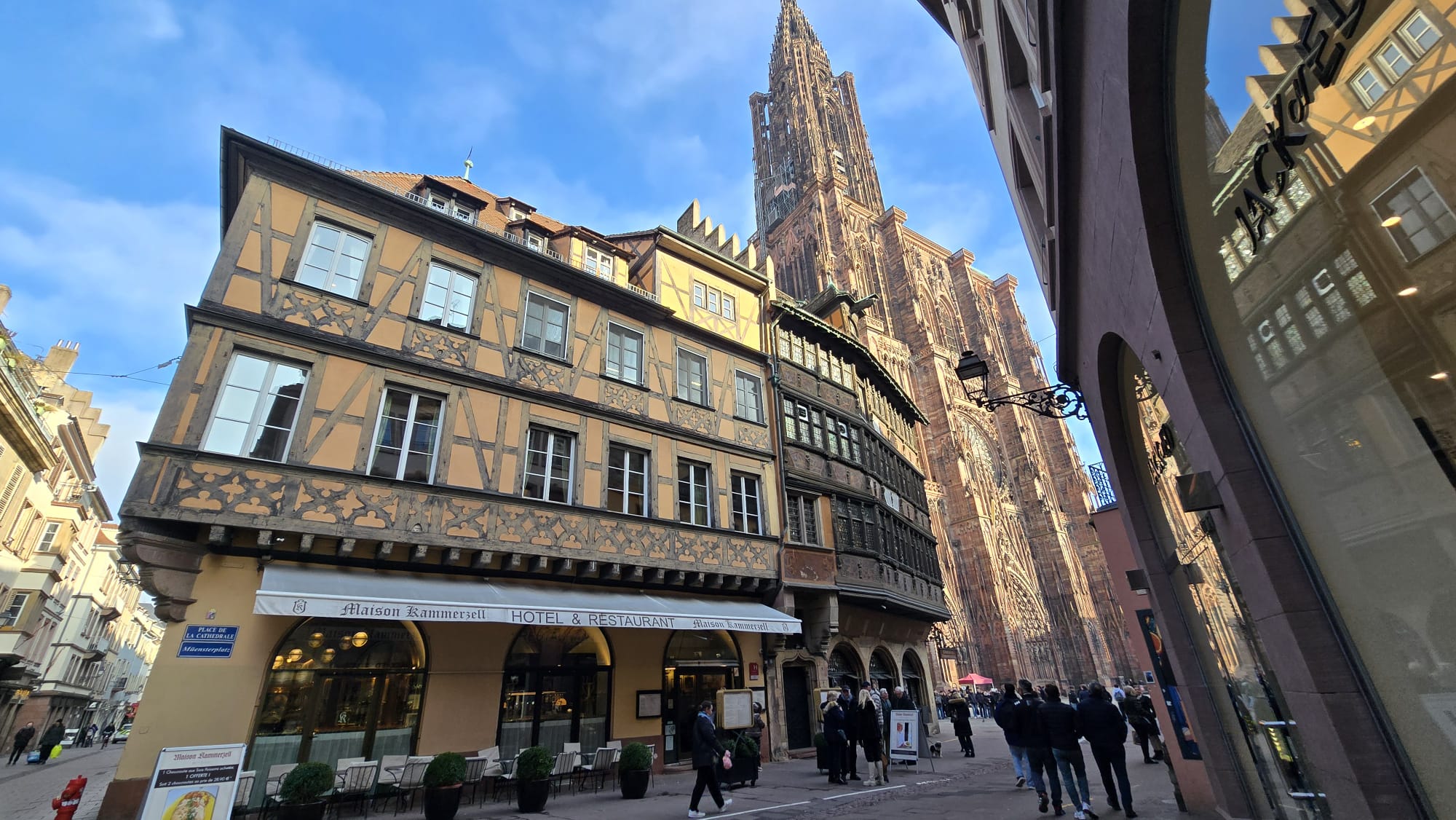
As part of the ongoing Fair Mobility project, we recently participated in the UERA Conference 2026: Urban Ecological Transformation in a New Geopolitical Era? held in Strasbourg. The conference centered on Nexus Thinking in Energy, Food, and Mobility Transition, providing a platform to discuss innovative approaches to urban challenges.
Our presentation, titled “Operationalising Socio-Spatial Justice as a Driver for Urban Transformation in Europe’s Small and Peri-Urban Cities,” highlighted how Fair Mobility addresses accessibility gaps that perpetuate gender, social, and economic inequalities. These issues are particularly pronounced in peri-urban and rural areas, which are frequently overlooked in policy interventions.
Wonderland’s Contribution
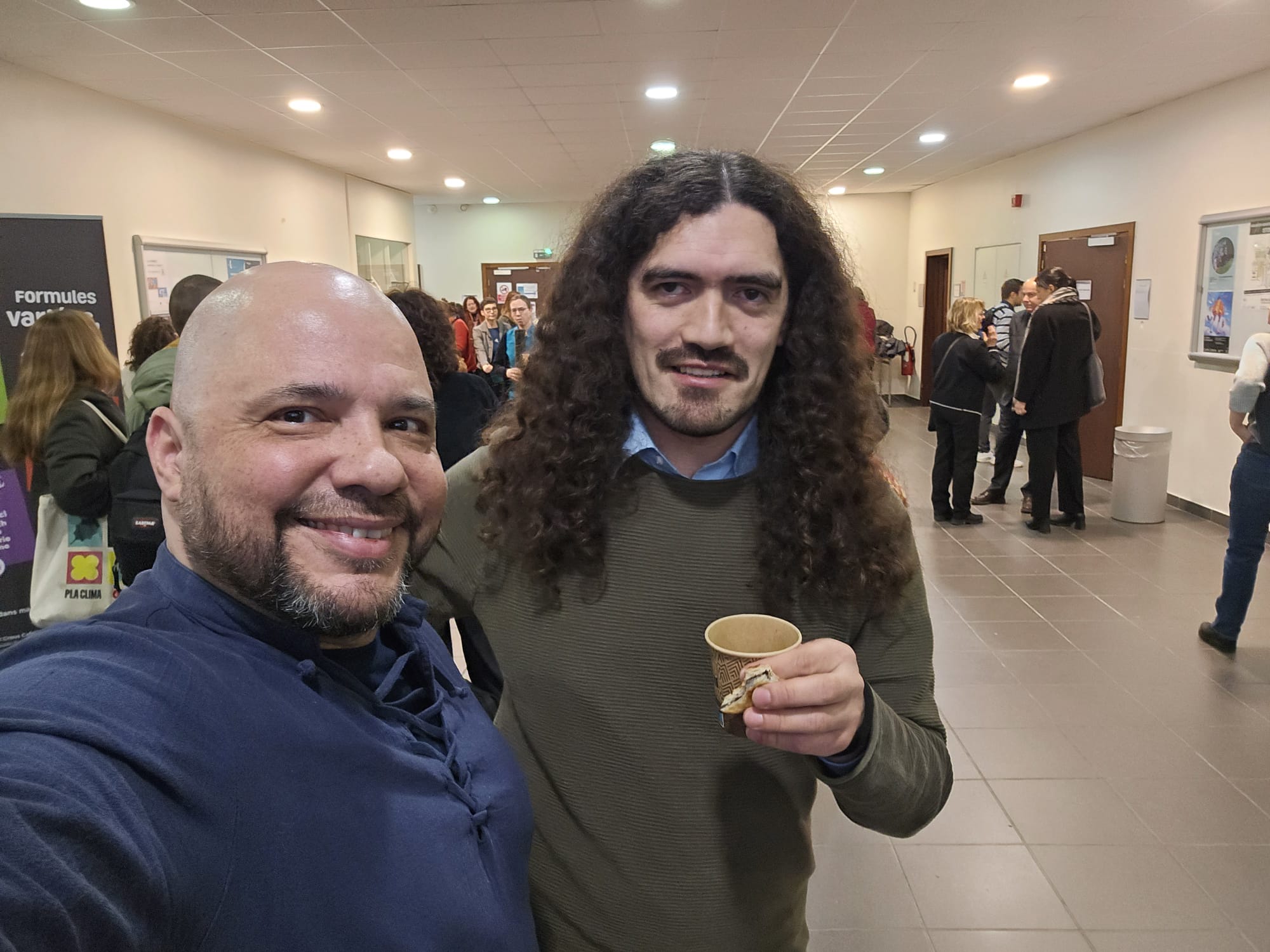
At the conference, Yilmaz Vurucu and David Kintero Thokora presented a two-part exploration of Fair Mobility’s work:
Yilmaz Vurucu presented “An Analytical Lens on Representation, Coercion, and Mobility Visibility,” connecting standpoint epistemology, participatory methods, and counter-hegemonic practices to create narratives as part of the project’s (and Wonderland’s) communication strategy. It examined how systemic apparatuses reproduce ideology in mobility planning, often marginalizing the “mobility of care” and intersectional needs. Through artistic-based research, Wonderland seeks to empower communities as co-researchers, using art forms to express lived experiences and challenge dominant paradigms.
David Kintero Thokora discussed “Operationalising Socio-Spatial Justice,” focusing on transforming social realities through situated knowledge and lived experience. Communities were framed not as passive subjects of study but as active agents in co-constructing their own social transformation. The presentation outlined our four-phase approach: analysis through desk research and qualitative storytelling, synthesis of diagnostic data at European and pilot levels, comparative analysis to identify context-specific and replicable elements, and the creation of a catalogue of actionable design and implementation guidelines. The theoretical framework emphasized socio-spatial justice, reframing mobility as a political issue of power, rights, and the politics of movement. The discussion prioritized mobility of care over car-centric planning, using an intersectional lens to address distributive, procedural, recognition, and restorative justice.
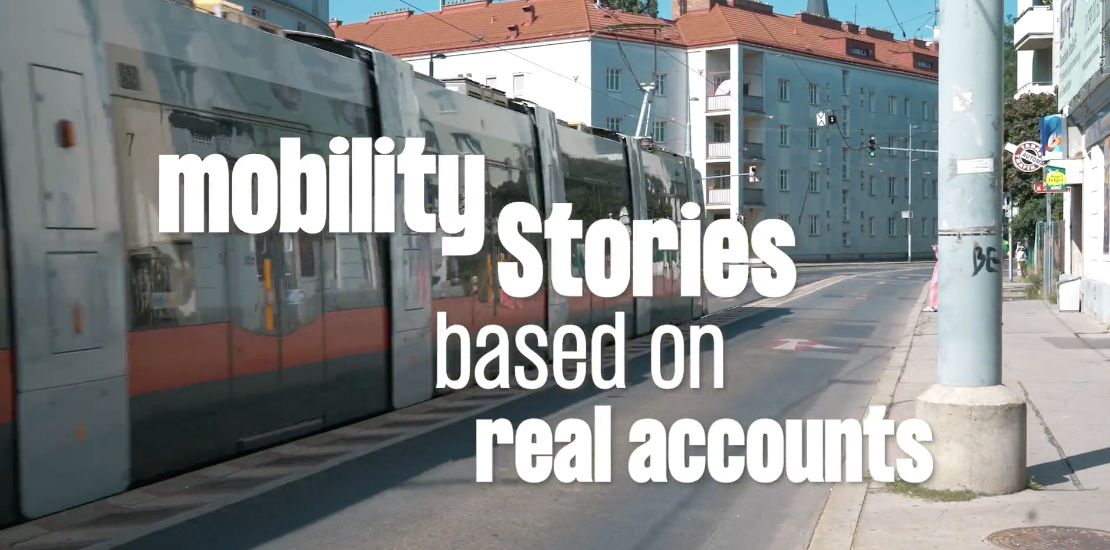
The presentation also featured our State of the Art films, collaborative films, and podcast series, which question dominant mobility terms and amplify the voices of marginalized groups. Access Wonderland’s Fair Mobility films here.
For more information about the Fair Mobility project, please visit https://fair-mobility.eu/.