Visualizing the transition into Positive Energy Districts
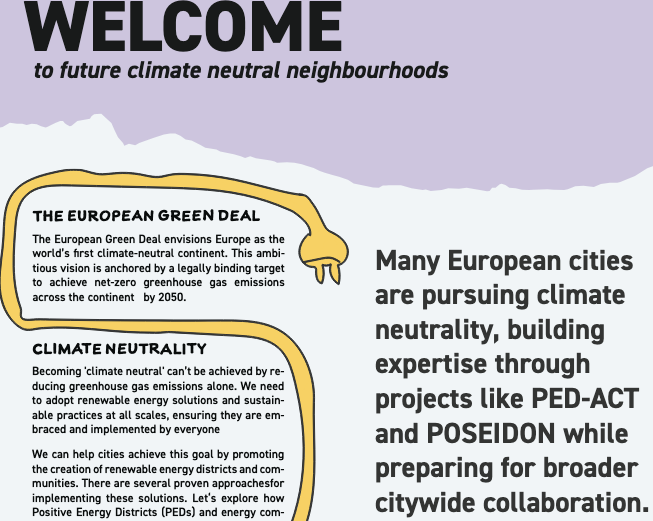
We created a poster exhibition for the Urban Living Labs (ULL) within the POSEIDON project, and exhibited parts of our designs for the PED-ACT project.
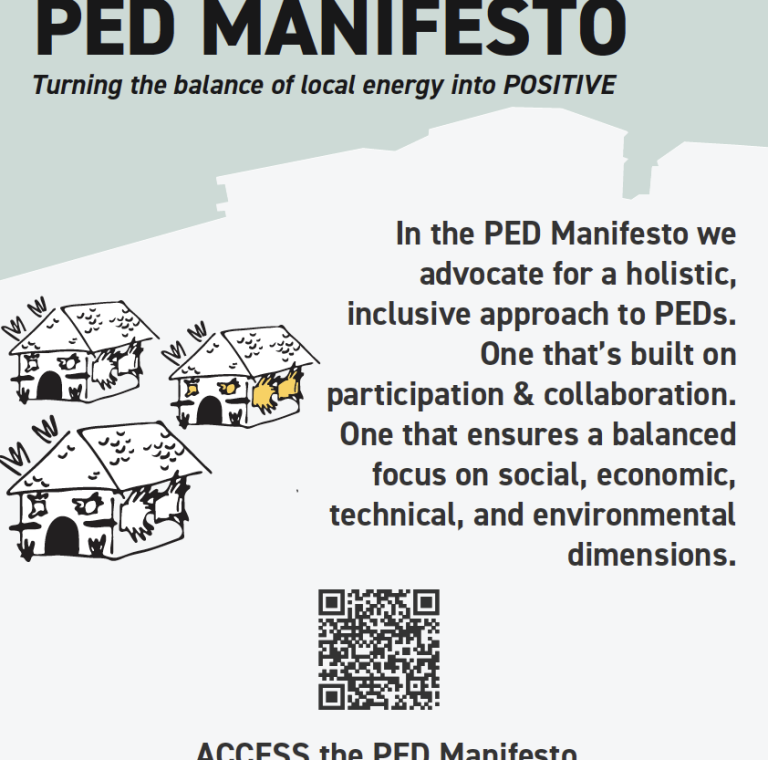
The series transforms the principles of the PED Manifesto into vivid, actionable visuals, and helps visualize the pathway towards PEDs for communities.
The Story Behind the Posters
The PED Manifesto was a result of our work on Positive Energy Districts through the DUT-funded PED-ACT project.
What became clear was that successful energy transitions depend not only on technical solutions but on bringing citizens together and enabling them to act within their existing social structures.
The manifesto advocates for a holistic, inclusive approach, balancing social, economic, technical, and environmental dimensions.
These posters bring that vision to life, offering both an overview of the POSEIDON demo sites and a practical framework for replication.
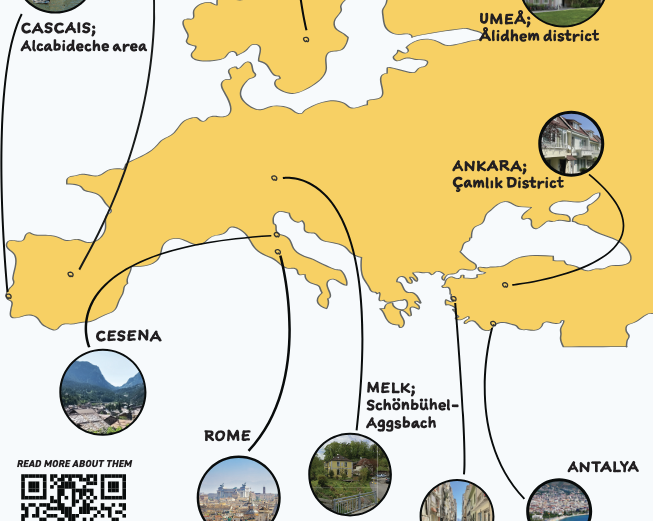
The series also introduces the project’s Lighthouses: cities like Alcorcón, Cascais, Marseille, Antalya, and Cesena, where tools and methods are actively tested and validated; and the Observer cities, which focus on identifying barriers to scaling these solutions across different contexts. Together, they illustrate how knowledge, participation, and local action drive the transition toward climate-neutral districts.
What the Posters Cover
The posters break down the journey into clear, engaging narratives. They define what PEDs and Renewable Energy Communities (RECs) are, why they matter, and how they can be implemented. From ∫each theme underscores the urgency of a just transition; one that prioritizes fair access, transparency, and community ownership of energy systems.
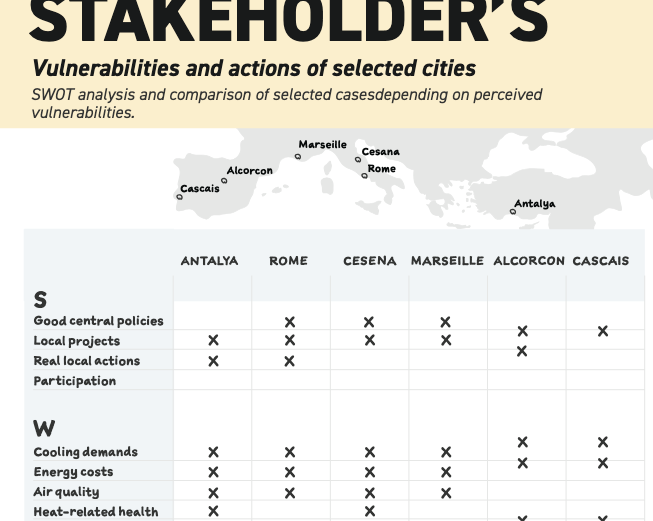
A standout feature is the scoring system applied to each pilot case. This system evaluates cities across eight critical dimensions: financial, legal, managerial, social, environmental, process, governance, and technical. By assigning scores, the posters reveal strengths, vulnerabilities, and opportunities for each location.
For example, a city might excel in social engagement but face challenges in legal frameworks or financial resources. These scores help stakeholders pinpoint where to focus efforts, whether it’s strengthening governance structures, securing funding, or improving technical infrastructure.
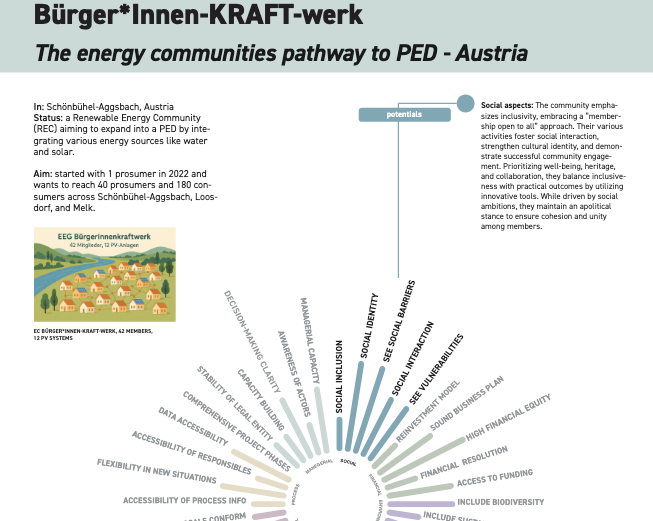
The scoring also highlights comparative insights: how one city’s approach to stakeholder collaboration or renewable integration might inspire another.
For example, in Alcorcón, the focus is on industrial energy communities, while Schönbühel-Aggsbach demonstrates how grassroots initiatives can foster both energy independence and cultural cohesion. Meanwhile, Marseille and Antalya grapple with urban density and public participation, showing how context shapes strategy.
From Theory to Action
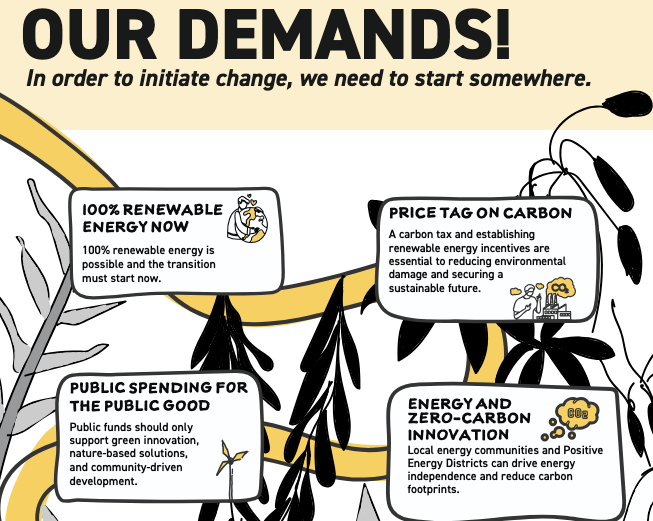
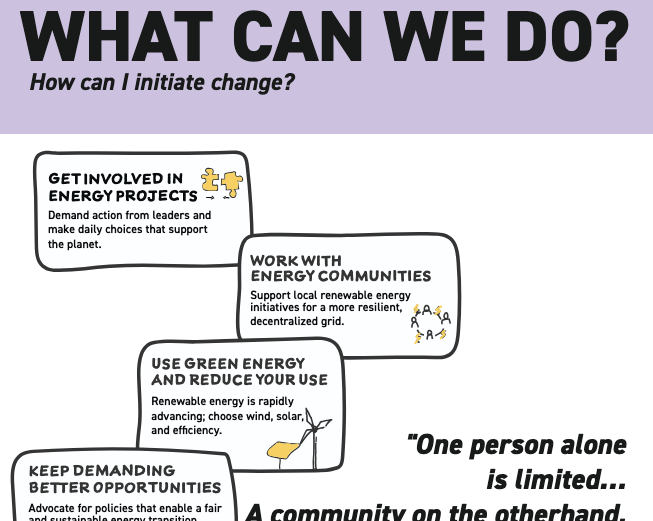
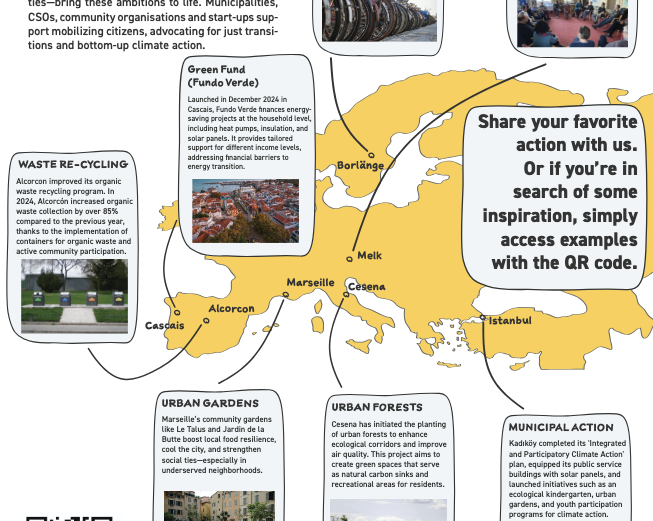
Beyond diagnosis, the posters propose concrete demands and actions. They call for 100% renewable energy, public spending on green innovation, and carbon pricing, while also showcasing local success stories (like bike-sharing in Borlänge or urban forests in Cesena) that prove change is already underway.
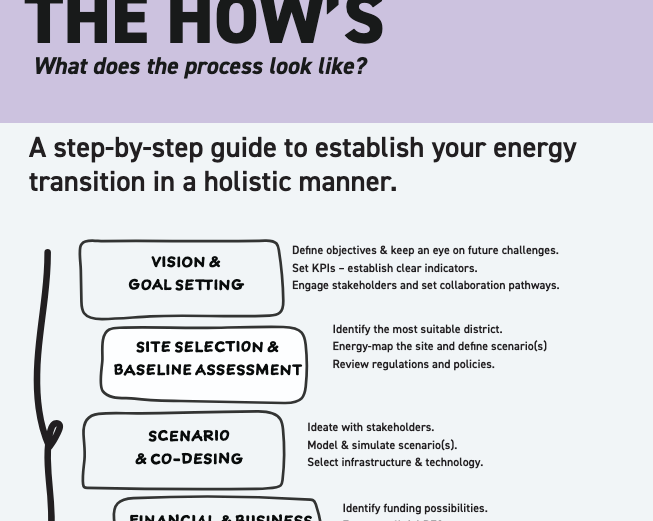
The step-by-step guides outline how to establish a PED, from vision-setting and site selection to monitoring and optimization, ensuring no community is left behind in the process.
Where you'll find them
These posters will be at the heart of Urban Living Labs in POSEIDON’s demo cities, including Antalya, Marseille, Cascais, Alcorcón, and Cesena. Paired with Wonderland’s curated films, workshops, and exhibitions, they will serve as catalysts for discussion, helping residents, policymakers, and businesses co-design their energy futures.
By making complex ideas accessible and actionable, the series empowers communities to see themselves as agents of change—not just beneficiaries of top-down solutions.
Poster Credits:
Illustrations by Danny Nedkova & Batuhan Akkaya (Wonderland).
Concept by Bahanur Nasya & Yilmaz Vurucu.
For high-resolution versions or collaboration opportunities, contact [email protected].